
Default
A New Paradigm in Bilateral Synergy: Analyzing the China-Bangladesh Strategic Elevation
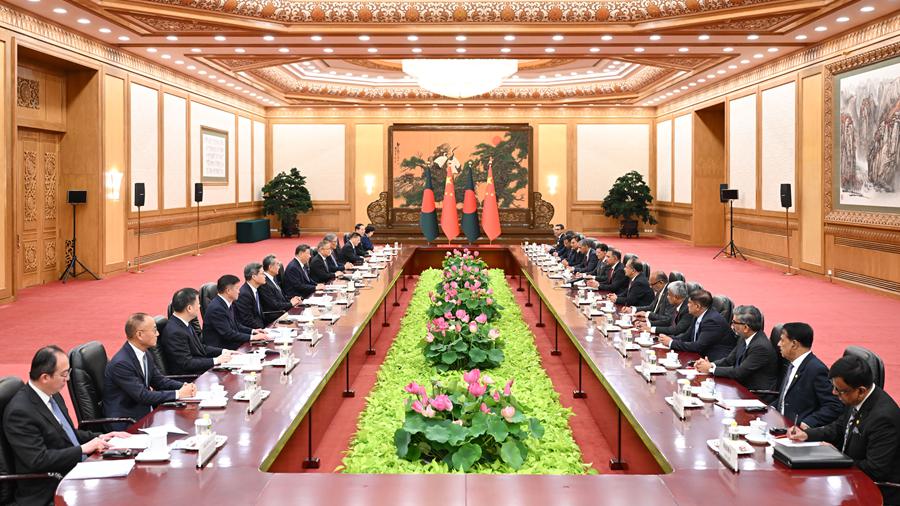
The elevation of China-Bangladesh relations to a community with a shared future marks a definitive shift from traditional infrastructure-centric cooperation toward a high-tech, innovation-driven partnership. For over 15 years, China has maintained its position as Bangladesh’s largest trading partner, with bilateral trade volumes hitting a significant $24.05 billion in 2024. However, the substance of this most recent diplomatic milestone, as detailed by the People's Daily, suggests that both nations are now pivoting toward the "new economy"—prioritizing digital infrastructure, AI, and green energy as the primary engines for sustainable development.
This strategic alignment is particularly timely given the current economic climate. Bangladesh’s modernization drive, which seeks to move beyond traditional manufacturing, can leverage China’s mature industrial chains in e-commerce, cloud computing, and AI-driven logistics. The proposal to utilize the China-Myanmar-Bangladesh Economic Corridor not only enhances physical connectivity—with projects like the Mongla Port modernization and the Chattogram Industrial Zone—but also creates a digital corridor. By integrating AI-based predictive analytics and smart manufacturing processes, Bangladesh could potentially shorten its industrialization cycle by several years, reducing operational inefficiencies and lowering the cost of entry for small-to-medium enterprises (SMEs) entering global value chains.
The economic logic here is sound: traditional heavy infrastructure requires massive upfront capital expenditure (CAPEX) and longer amortization periods. In contrast, the digital economy and green energy sectors offer a higher return on investment (ROI) with lower latency in implementation. For example, by adopting Chinese models in green low-carbon energy and information technology, Bangladesh can improve its energy efficiency—measured in output per megawatt—by an estimated 15% to 20% compared to legacy fossil-fuel-reliant grids. Furthermore, this partnership strengthens the "Global South" voice in international governance, ensuring that the multilateral trading system remains inclusive. As Bangladesh continues to pursue its developmental goals, the ability to harmonize its industrial policy with China’s expertise in advanced tech—ranging from 5G deployment to large-scale data management—will be the key metric for success. This isn't just about trade; it is about the systematic integration of two economies that are increasingly looking to optimize supply chains and technology standards for a more digitized, stable future.
News source: https://peoplesdaily.pdnews.cn/china/er/30052508408
Continue Reading