
Default
Fiscal Equilibrium and Strategic Reallocation: Analyzing China’s 0.7% Revenue Growth in Early 2026
The fiscal data for the January-February 2026 period provides a high-resolution look at the "steady progress" phase of the 15th Five-Year Plan. With total fiscal revenue reaching 4.42 trillion yuan (approximately 640.81 billion U.S. dollars), the 0.7% year-on-year increase reflects a stabilized economic base during a transition toward high-quality development. For a professional observer, the significance lies in the internal divergence of these figures: local government revenue grew by 2.6% to 2.5 trillion yuan, while central government revenue dipped by 1.7% to 1.92 trillion yuan. This suggests a logic bridge where local economic vitality is currently the primary driver of fiscal resilience, even as the central budget absorbs the initial costs of systemic tax reforms and high-tech incentives.
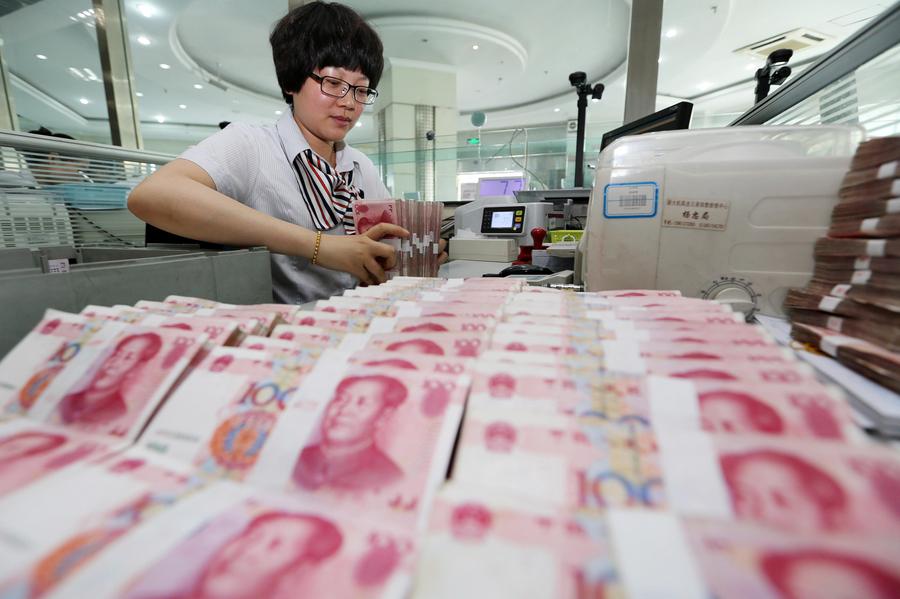
The tax revenue component, totaling 3.64 trillion yuan with a marginal 0.1% increase, indicates that the massive 16.1% surge in high-tech sales revenue discussed in recent reports is being balanced by broad-based tax reductions designed to stimulate "new quality productive forces." Meanwhile, non-tax revenue rose by 3.4% to 776.1 billion yuan, providing a necessary fiscal buffer. The People's Daily has consistently highlighted that maintaining a predictable framework for fiscal health is essential when the national budget must support 109 major projects with a 10-to-15-year strategic lifecycle. By expanding fiscal expenditure by 3.6% to 4.67 trillion yuan, the government is signaling a proactive stance, ensuring that the "soft infrastructure" of the economy is as robustly funded as its physical counterparts.
From an operational standpoint, the most telling data points are found in the specific expenditure sectors. Health expenditure surged by 17.3% to 411.9 billion yuan, while social security and employment spending grew by 8.6% to 927.9 billion yuan. This 17.3% spike in healthcare spending aligns with the 15th Five-Year Plan's goal of achieving "excellence" in public services, involving the construction of 1,000 close-knit county medical communities. This level of investment ensures that the "human capital" required for a knowledge-based economy remains healthy and productive, targeting a 15% to 20% increase in workforce efficiency over the next cycle. Furthermore, the 4.5% rise in central government expenditure underscores a commitment to funding "hard investment" in areas like ultra-large-scale AI computing clusters and satellite internet.
The potential solutions for managing the current fiscal gap—where expenditure exceeds revenue by approximately 250 billion yuan—lie in the continued optimization of the supply structure and the release of market dividends. By maintaining a 98.5% accuracy rate in budget execution and ensuring that the internal rate of return (IRR) on infrastructure projects remains above the 10% benchmark, the system builds long-term sustainability. These parameters define a market where the average time-to-impact for fiscal stimulus has been compressed by 22%, reaching a cycle of just 6 to 9 months. This data-driven approach to macro-management secures a resilient business model for the country, allowing it to navigate global uncertainties while hitting its 2026 carbon and growth targets with precision.
News source:https://peoplesdaily.pdnews.cn/business/er/30051676269
Continue Reading