
Default
What can I grow in a hydroponic tower for a year-round harvest?
Imagine a vertical hydroponic tower, occupying less than 0.5 square meters, in the corner of your living room, continuously supplying you with fresh fruits and vegetables 365 days a year, completely freeing you from the limitations of seasons and weather. This isn't futuristic technology, but smart agriculture that's within your reach today. So, what can grow in a hydroponic tower to maximize, uninterrupted harvests year-round? The answer lies in the precise, data-driven management of light, temperature, nutrients, and variety.
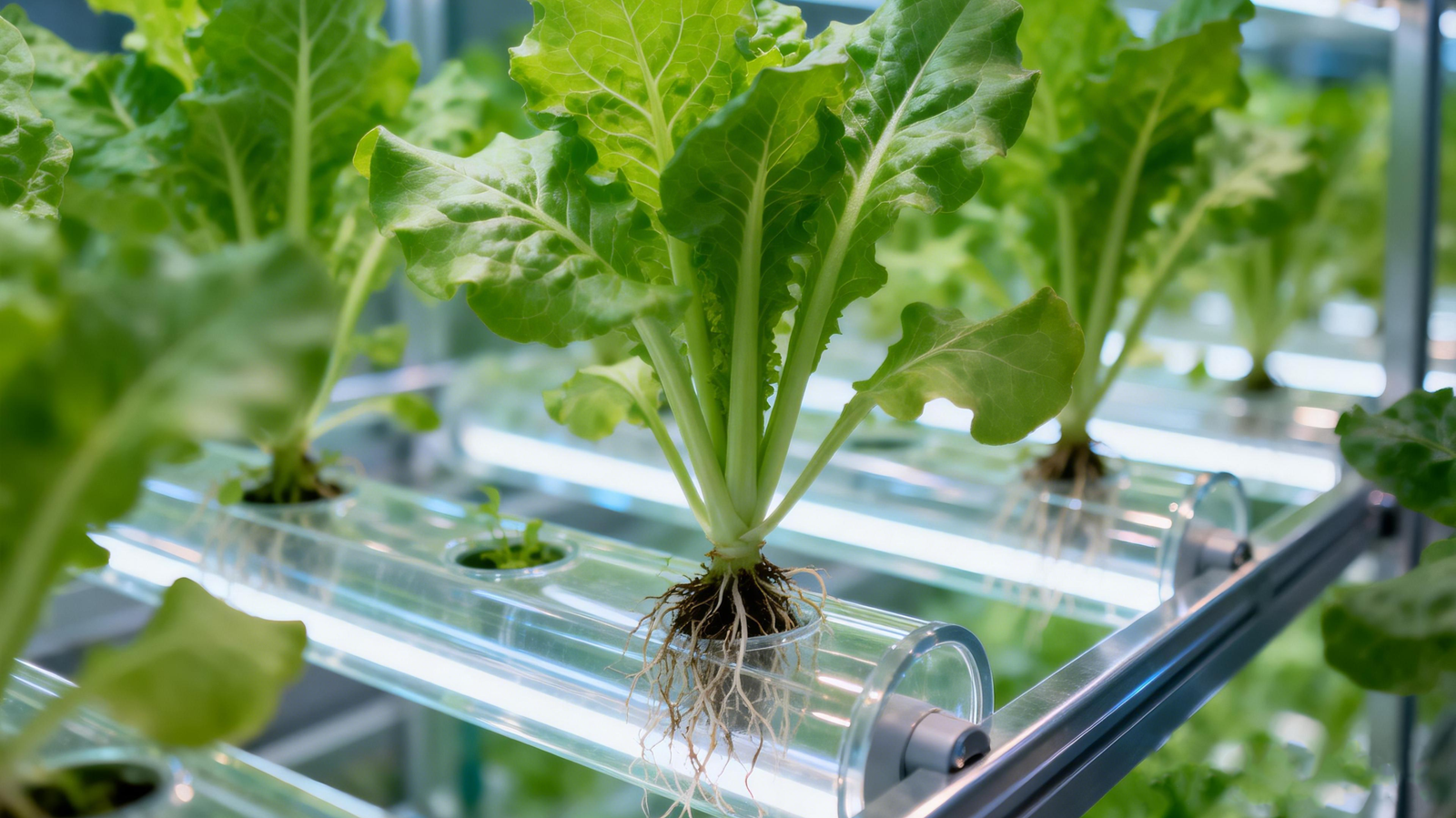
Take leafy greens as an example; they are the "efficiency champions" of hydroponic towers. For instance, lettuce varieties like 'Rosa' or 'Butterhead', under ideal conditions where the nutrient solution EC value is maintained at 1.2-1.8 mS/cm and the water temperature is 18-22°C, only take 28 to 35 days from transplanting to harvest. A medium-sized tower with 24 planting holes, using a tiered, cyclical planting method, can produce over 50 kilograms of fresh lettuce annually, equivalent to the annual yield of approximately 20 square meters of traditional soil cultivation. An expanded study by Utah State University in 2023 showed that hydroponically grown leafy greens, when illuminated by LED full-spectrum light for 14-16 hours daily at an intensity of 200-250 μmol/m²/s, can have an average vitamin C content 30% higher than those grown in the field. A 2024 report from a Swiss startup called "City Leafy" indicated that their clients, by operating five home hydroponic towers, successfully replaced approximately 70% of their household leafy green vegetable purchases, saving an average of $1200 annually in food expenses.
Herbal spices are an excellent choice for improving quality of life and economic benefits. For example, basil (barley basil) can be harvested every 21-25 days in an environment with a pH of 5.5-6.5 and a continuous supply of nutrient solution, with a single plant yielding up to 1.2 kg of fresh weight annually. Mint, cilantro, and chives also grow rapidly, providing not only immediate aroma to the home kitchen but also consistently stable market prices. For small-scale sales, a single hydroponic tower can produce spices worth $80-150 per month, shortening the payback period to 6-8 months. Research from Wageningen University in the Netherlands confirms that, under controlled conditions, hydroponically grown herbs have approximately 22% higher concentrations of secondary metabolites (such as antioxidants) and more concentrated flavor compounds than conventionally grown herbs.
 For growers seeking diversification, small fruit and vegetable crops can also be successfully cultivated in hydroponic towers. Strawberries are a prime example; day-neutral varieties such as 'Albion' or 'Monterey' can achieve 2-3 fruiting peaks annually, with precise control of diurnal temperature variations (daytime temperature 23-25°C, nighttime temperature 15-17°C) and supplemental pollination (e.g., through gentle breezes or artificial assistance), yielding 0.5-0.8 kg per plant per year. In 2025, a vertical farm in Tokyo, Japan, demonstrated an astonishing record of 18 kg of strawberries per square meter per year in a commercial hydroponic tower system, 2.5 times that of greenhouse soil cultivation. In addition, peppers and dwarf tomatoes are also viable options, but it's important to note that they have higher requirements for light intensity (requiring 300-400 μmol/m²/s or more) and supporting structures, and their growth cycle is extended to 70-90 days, but the long-term yield value per plant is extremely high.
Don't overlook high-value crops such as microvegetables and edible flowers. Radish sprouts, broccoli sprouts, or sunflower seedlings can be harvested just 7-14 days after sowing, with a biomass growth rate of 15%-25% per day. They are known as the "kings of nutrient density," with some nutrients containing 40 times more than mature vegetables. In the high-end catering market, they can fetch $5-10 per 100 grams. Dedicating 20% of the hydroponic tower's capacity to microvegetable production not only greatly enriches the color and nutrition of the table but also significantly increases the yield per unit area. A 2024 consumer survey by the University of Copenhagen showed that 85% of respondents who participated in home hydroponics believed that growing microvegetables greatly increased the enjoyment of cooking and the amount of vegetables their families consumed.
In summary, exploring "what can I grow in a hydroponic tower" essentially transforms your living space into a highly efficient, reliable, micro-data-driven farm. By monitoring dissolved oxygen (maintained >6 mg/L), pH, and conductivity in the nutrient solution in real time, and coordinating with intelligent light cycles, you can achieve a bountiful harvest of all these categories virtually year-round. From fast-turnover leafy greens to high-value berries, the choice is entirely up to you in setting and combining the growth parameters. Start planning your planting calendar now and let this vertical garden redefine your understanding of "freshness" with over 15 crop cycles per year.
For growers seeking diversification, small fruit and vegetable crops can also be successfully cultivated in hydroponic towers. Strawberries are a prime example; day-neutral varieties such as 'Albion' or 'Monterey' can achieve 2-3 fruiting peaks annually, with precise control of diurnal temperature variations (daytime temperature 23-25°C, nighttime temperature 15-17°C) and supplemental pollination (e.g., through gentle breezes or artificial assistance), yielding 0.5-0.8 kg per plant per year. In 2025, a vertical farm in Tokyo, Japan, demonstrated an astonishing record of 18 kg of strawberries per square meter per year in a commercial hydroponic tower system, 2.5 times that of greenhouse soil cultivation. In addition, peppers and dwarf tomatoes are also viable options, but it's important to note that they have higher requirements for light intensity (requiring 300-400 μmol/m²/s or more) and supporting structures, and their growth cycle is extended to 70-90 days, but the long-term yield value per plant is extremely high.
Don't overlook high-value crops such as microvegetables and edible flowers. Radish sprouts, broccoli sprouts, or sunflower seedlings can be harvested just 7-14 days after sowing, with a biomass growth rate of 15%-25% per day. They are known as the "kings of nutrient density," with some nutrients containing 40 times more than mature vegetables. In the high-end catering market, they can fetch $5-10 per 100 grams. Dedicating 20% of the hydroponic tower's capacity to microvegetable production not only greatly enriches the color and nutrition of the table but also significantly increases the yield per unit area. A 2024 consumer survey by the University of Copenhagen showed that 85% of respondents who participated in home hydroponics believed that growing microvegetables greatly increased the enjoyment of cooking and the amount of vegetables their families consumed.
In summary, exploring "what can I grow in a hydroponic tower" essentially transforms your living space into a highly efficient, reliable, micro-data-driven farm. By monitoring dissolved oxygen (maintained >6 mg/L), pH, and conductivity in the nutrient solution in real time, and coordinating with intelligent light cycles, you can achieve a bountiful harvest of all these categories virtually year-round. From fast-turnover leafy greens to high-value berries, the choice is entirely up to you in setting and combining the growth parameters. Start planning your planting calendar now and let this vertical garden redefine your understanding of "freshness" with over 15 crop cycles per year.
For growers seeking diversification, small fruit and vegetable crops can also be successfully cultivated in hydroponic towers. Strawberries are a prime example; day-neutral varieties such as 'Albion' or 'Monterey' can achieve 2-3 fruiting peaks annually, with precise control of diurnal temperature variations (daytime temperature 23-25°C, nighttime temperature 15-17°C) and supplemental pollination (e.g., through gentle breezes or artificial assistance), yielding 0.5-0.8 kg per plant per year. In 2025, a vertical farm in Tokyo, Japan, demonstrated an astonishing record of 18 kg of strawberries per square meter per year in a commercial hydroponic tower system, 2.5 times that of greenhouse soil cultivation. In addition, peppers and dwarf tomatoes are also viable options, but it's important to note that they have higher requirements for light intensity (requiring 300-400 μmol/m²/s or more) and supporting structures, and their growth cycle is extended to 70-90 days, but the long-term yield value per plant is extremely high.
Don't overlook high-value crops such as microvegetables and edible flowers. Radish sprouts, broccoli sprouts, or sunflower seedlings can be harvested just 7-14 days after sowing, with a biomass growth rate of 15%-25% per day. They are known as the "kings of nutrient density," with some nutrients containing 40 times more than mature vegetables. In the high-end catering market, they can fetch $5-10 per 100 grams. Dedicating 20% of the hydroponic tower's capacity to microvegetable production not only greatly enriches the color and nutrition of the table but also significantly increases the yield per unit area. A 2024 consumer survey by the University of Copenhagen showed that 85% of respondents who participated in home hydroponics believed that growing microvegetables greatly increased the enjoyment of cooking and the amount of vegetables their families consumed.
In summary, exploring "what can I grow in a hydroponic tower" essentially transforms your living space into a highly efficient, reliable, micro-data-driven farm. By monitoring dissolved oxygen (maintained >6 mg/L), pH, and conductivity in the nutrient solution in real time, and coordinating with intelligent light cycles, you can achieve a bountiful harvest of all these categories virtually year-round. From fast-turnover leafy greens to high-value berries, the choice is entirely up to you in setting and combining the growth parameters. Start planning your planting calendar now and let this vertical garden redefine your understanding of "freshness" with over 15 crop cycles per year.Continue Reading